Detroit Beat, How "Superstar" Channels Babyfxce E, Rio Da Yung Og and the Flint Sound
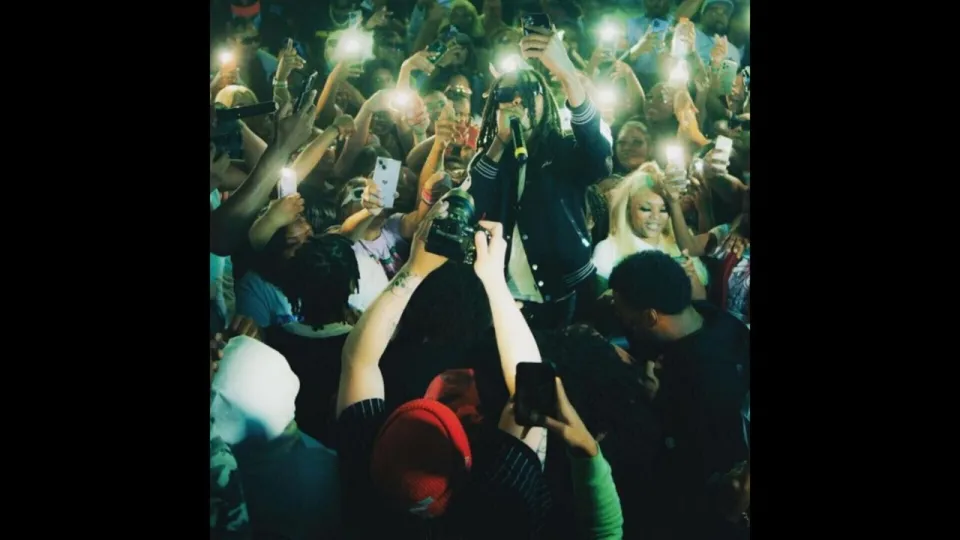
Video: [FREE] Babyfxce E x Rio Da Yung Og x Detroit Type Beat - “Superstar"
You can order the same kind of articles for your own video to boost it on YouTube and Google. Just message the Telegram bot @sat_sit_bot. It writes articles around your video, embeds the video and publishes them on popular niche websites (no ads). Try it free: 50 articles on us.
· based on the channel Flintana
Key takeaways
- The "Superstar" Detroit type beat runs at 99 BPM in B minor, built for Babyfxce E and Rio Da Yung Og flows.
- It is a free-for-non-profit download; commercial releases and streaming require a paid lease from https://bsta.rs/X1GPw8.
- Lease tiers: MP3 $29.99, WAV $39.99, Unlimited $89.99, with a buy-2-get-1-free offer on eligible beats.
- The beat is produced by Flintana, a channel focused on Detroit, Flint, and Milwaukee trap instrumentals.
- Detroit beat is a regional style: sparse, dark piano loops, sliding 808s, and fast hi-hat patterns at moderate tempo.
A Detroit beat is a sparse, dark trap instrumental built around minor-key piano or synth loops, sliding 808 bass, and rapid hi-hat rolls, usually sitting between 90 and 105 BPM. The "Superstar" type beat from producer Flintana fits that template exactly: 99 BPM in B minor, aimed at the flows of Babyfxce E and Rio Da Yung Og. You can download the untagged files or buy a lease directly at bsta.rs/X1GPw8.
What Defines a Detroit Beat in 2026
A Detroit beat is less a single sound than a production dialect that grew out of Michigan rap: minimal melodic loops, heavy low end, and drums that leave room for dense, conversational delivery. Producers in the style typically start with a two- or four-bar piano or bell melody, filter it heavily, and then let the 808 and hi-hats carry the momentum.
The key ingredients in a modern Detroit instrumental:
- Tempo around 95–105 BPM — fast enough for double-time hi-hats, slow enough that the rapper can sit behind the beat. "Superstar" sits at 99 BPM.
- Minor-key melody — often a simple piano, electric piano, or bell loop. "Superstar" is in B minor.
- Sliding 808 bass — glides between notes rather than just hitting root notes, which is what gives Detroit and Flint records their rubbery low end.
- Hi-hat patterns with rolls and triplets — the main source of energy when the melody is deliberately repetitive.
- Negative space — the beat drops out or thins for a bar so the vocal becomes the hook.
That combination is why the same instrumental can work for a Babyfxce E verse, a Rio Da Yung Og track, or a Veeze-style pocket. The drums are aggressive, but the melody stays cold and minimal.
Babyfxce E, Rio Da Yung Og, and the Flint–Detroit Axis
The names in the title are not decoration: Babyfxce E and Rio Da Yung Og represent two poles of the same Michigan scene, and a type beat labeled after both has to satisfy two different flow styles.
Babyfxce E is associated with the Detroit side of the sound — deadpan, punchline-heavy bars that rely on the beat staying out of the way. Rio Da Yung Og comes from Flint and is known for long, rambling, off-the-cuff verses where the delivery drifts across the bar line. A producer targeting both needs a beat that is repetitive enough to freestyle over but detailed enough to keep a written verse interesting.
That is why the Michigan template usually avoids big melodic switches. Instead of a drop or a key change, the variation comes from:
- muting the 808 for a bar;
- adding or removing a hi-hat layer;
- dropping the melody out entirely for the last two bars of a section;
- leaving a short intro that sets the key without eating too much of the runtime.
The Flint and Detroit scenes also overlap with Milwaukee artists in the same lane, which is why type beat tags often mix all three cities. The audience is searching for a texture, not a zip code.
How "Superstar" Is Built and What It Is For
"Superstar" is a free-to-download instrumental published by Flintana, and its spec sheet tells you almost everything about its intended use. At 99 BPM in B minor, it sits in the pocket where most Michigan rappers record comfortably — fast enough to ride with double-time hats, slow enough that the vocal does not feel rushed.
The practical structure of a beat like this one:
- Intro — melody exposed, drums thin or absent. This is the part listeners either love or want shortened, and it is the easiest section to trim in a DAW.
- Main loop — full drums, 808, and melody. Verses live here.
- Hook variation — usually just a small subtraction or addition rather than a new chord progression.
- Outro — melody alone again, so the vocal can ad-lib out.
Because the arrangement is intentionally loop-based, the beat is easy to cut down. If the intro feels long for a two-minute single, you can shorten it without touching the mix. Producers in this lane also leave the stems or WAV files available precisely so artists can restructure sections.
Free Use vs. Paid License: What You Actually Get
The free download of "Superstar" is for non-profit use only, which is the single most misunderstood part of the type beat economy. Free means you can write, record, and upload a demo or a non-monetized video. It does not mean you can put the song on Spotify, Apple Music, YouTube Music, or any other streaming platform.
What each tier covers:
- MP3 — $29.99: the tagged or untagged MP3 file for release, typically with a distribution cap.
- WAV — $39.99: higher-quality WAV file, the standard choice for a single you intend to distribute.
- Unlimited — $89.99: the broadest lease, for artists who expect significant streams or multiple releases.
Monetized use, commercial releases, and distribution are not covered by the free version. If a track using the beat is already out without a license, the correct lease can still be purchased afterward through the same link, which is the usual fix for an accidental release.
There is also a running promotion: buy two beats, get one free, applied by adding both eligible beats to the cart. For artists building an EP, that is the cheapest way to get a consistent set of instrumentals from one producer.
Common Questions Artists Ask Before Releasing
Most of the questions around a free Detroit type beat come down to rights, not music, and the same few issues come up every time.
Copyright and the vocal tag. A producer's voice tag on a free download is there to prevent unlicensed use. Once you buy a lease, you receive an untagged version. The tag itself is not a separate copyright problem — using the tagged file commercially is.
Content ID. Distribution platforms increasingly run Content ID checks. A leased beat with proper paperwork is the way to clear a claim; a free download is not.
Pricing and timing. Lease prices for Detroit type beats generally sit in the $25–$100 range, and Flintana's tiers fall inside that band. Buying before release is always cheaper than resolving a claim after.
Using the beat on BandLab or for collabs. Collaborating on a demo is fine under free use, but the moment either party monetizes the result, the lease applies to the release, not to who recorded it.
How to Pick the Right Detroit Type Beat for Your Voice
Choosing a Detroit beat is mostly a question of matching tempo and register to your delivery, not chasing the most popular tag. A beat labeled after Babyfxce E, Rio Da Yung Og, Veeze, or Babytron is a reference point, not a restriction.
A short checklist before you commit:
- Match the BPM to your comfort zone. If you naturally rap behind the beat, 95–100 BPM works; if you push ahead of it, look higher.
- Check the key against your range. B minor sits in a comfortable mid range for most male voices; if the melody fights your tone, pick another loop.
- Test the pocket with a 16. Record one verse before buying. If you run out of breath in the first eight bars, the tempo is wrong for you.
- Decide on the intro. Short intros suit streaming; longer intros suit videos. You can edit either way once you have the WAV.
- Read the license before release, not after. Confirm distribution limits, monetization terms, and whether Content ID is covered.
Detroit and Flint instrumentals reward restraint. The beats are repetitive by design, so the vocal has to supply the variation — which is exactly why the scene keeps producing distinctive rappers rather than distinctive beats.
Where Flintana Fits in the Type Beat Landscape
Flintana is a producer channel focused on Michigan-adjacent trap: Detroit type beats, Flint type beats, and Milwaukee-leaning instrumentals, often tagged for Babyfxce E, Veeze, Rio Da Yung Og, and Babytron. The catalog approach is consistent — dark minor-key loops, sliding 808s, and drum programming built for fast, conversational flows.
That consistency is the practical value for an artist. If you find one beat that fits your voice, the same producer's catalog will usually give you a second and third that sit in the same tonal world, which matters when you are building a project rather than a single. The buy-two-get-one-free offer exists for exactly that reason.
Final Thoughts
"Superstar" is a clean example of the Detroit beat formula: 99 BPM, B minor, a cold melodic loop, and drums designed to stay out of a rapper's way. It is free for non-profit use, and a paid lease is what unlocks streaming, monetization, and distribution. If the pocket fits your delivery, the sensible next step is to grab the untagged files and the correct license at bsta.rs/X1GPw8 before you release, not after. Flintana's channel is the source for this beat and the rest of the catalog, and it is worth browsing if you want several instrumentals that share the same Michigan texture. Match the tempo and key to your voice first, then buy — that order saves both time and money.
Questions & answers
Is the "Superstar" Detroit beat free to use for a song on Spotify?
No. The free download is limited to non-profit use, so demos and non-monetized videos are fine, but uploading to Spotify, Apple Music, YouTube Music, or any other streaming platform requires a valid lease. Monetized and commercial releases are not covered by the free version, and a lease can still be purchased after an unlicensed release.
What BPM and key is the beat, and why does that matter?
The beat runs at 99 BPM in B minor. That tempo sits in the standard Detroit and Flint pocket — fast enough for double-time hi-hats and slow enough for conversational delivery — while B minor keeps the melody in a comfortable mid range for most vocalists.
Does the lease cover YouTube Content ID, and what about the voice tag?
A proper lease is what allows you to clear Content ID claims and receive an untagged file for release, while the free version keeps the producer's voice tag in place. Using the tagged file commercially is the actual problem, not the tag itself. Check the specific tier terms for distribution limits before you release.
How much do the licenses cost and is there a discount?
MP3 leases are $29.99, WAV leases are $39.99, and the Unlimited lease is $89.99. There is also a buy-two-get-one-free promotion that applies when both eligible beats are added to the cart, which is useful if you are building a multi-track project from the same catalog.
Source: [FREE] Babyfxce E x Rio Da Yung Og x Detroit Type Beat - “Superstar" · Markdown version